Blood test
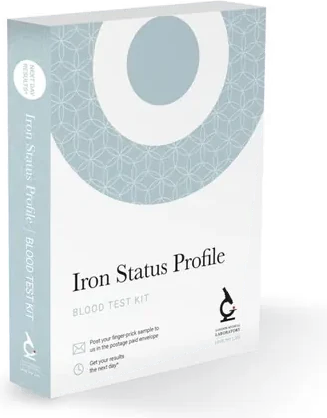
Iron Status Profile
The iron in your blood and the iron your body keeps in store, and whether there is too little or too much.
- 5markers measured
- UKASaccredited laboratory
- Next dayresult, after the lab receives your sample

What it is for
- Iron Status Profile
Why people check it
Low iron is a common reason for feeling tired and, over time, can lead to anaemia. Too much iron can cause serious problems as well. This test looks at both sides.
Can be done with a finger-prick kit at home, at a collection point or with home collection on request.
 Iron Status Profile
Who it is for
Anyone who wants to check for low iron or too much iron, and people who already know they are anaemic and want to see whether low iron is the cause. If a result points to high iron, talk to a doctor you trust about the next step.
- Signs
People often check it when they notice
- Tiredness and low energy
- Shortness of breath
- Heart palpitations
- Paler skin than usual
- Headaches
- Difficulty concentrating
- Chest pain

How to give your sample
The app shows which ways are open for this test before you pay.
A kit at home
A kit arrives by Royal Mail. You collect the sample and post it back the same day, Monday to Thursday, in the prepaid envelope that comes with the kit, at a Royal Mail priority postbox. Collection instructions come with the kit.
A collection point
A blood sample taken at a collection point near you, found from your postcode in the app.
Home collection: on request
You ask in your account, and the team replies with a price and a date. Nothing is charged now.
The result arrives in the app.
It is yours: keep it, or send it to the doctor of your choice: only a doctor can say what it means for you. This page explains what the test is for; it does not replace a consultation.
Create your accountRead more
- Blood tests for athletes: iron, vitamin D, recovery and energy
- Women's health blood tests: iron, thyroid, vitamins, menopause and pregnancy
- Blood tests from 40: the NHS Health Check and what people add
- Blood tests in your 20s and 30s: your first numbers
- Blood test check-ups: what they are and how to choose one
- Home blood test kit, collection point or phlebotomist: a practical guide to giving your sample